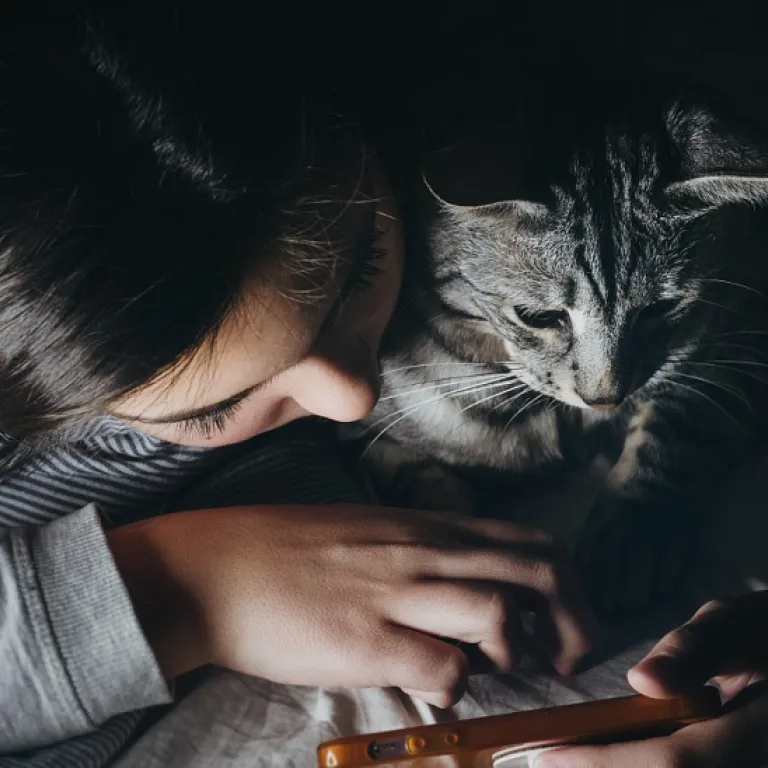
Why animal jewelry ignores the real life of cat owners
Walk into almost any store that sells animal jewelry and you will notice the same pattern. A crowded display of paw print charms, a random raccoon necklace, maybe a rabbit or horse pendant, and a few generic animal necklaces in silver or gold. For cat owners, this inventory feels strangely distant from real life with a cat sleeping on the sofa, climbing the shelves, or knocking a bangle bracelet off the table just for fun.
When “animal” means everything and nothing
Most brands still treat cats as just one more icon in a broad jewelry animal category. The same product line that offers horse jewelry with a snaffle bit motif or a dog paw charm will add a tiny cat silhouette and call the collection complete. From a quantity and inventory management perspective, it looks efficient. One jewelry type, many animals, quick to scale.
But this approach flattens the emotional reality of living with a cat. A horse pendant often reflects sport or equestrian culture. A dog paw charm usually celebrates loyalty and outdoor adventures. A cat necklace, on the other hand, is rarely about activities. It is about quiet rituals at home, late night purring, and that slightly mysterious bond that is hard to explain but very easy to feel.
When all these experiences are squeezed into the same generic animal jewelry line, the result is predictable. The cat pieces look like afterthoughts, not like jewelry designed for people who share their sofa, bed, and laptop keyboard with a feline roommate.
Materials and colors that miss the cat story
There is also a material gap. Many collections rely on standard combinations like sterling silver paw prints, a simple necklace gold silhouette, or a basic silver blue gemstone accent. Technically, these are fine. The sterling quality can be high, the price can be fair, and the product can be durable. Yet they rarely say anything specific about cats.
Think about how often you see:
- A pendant necklace shaped like a generic paw print, with no hint that it belongs to a cat rather than a dog
- A ring with a pink or blue stone that is chosen only because it sells well, not because it reflects a cat’s eyes or personality
- A bracelet sterling design that repeats the same animal outline used for dogs, rabbits, and horses
Even when brands use more refined materials, like pink sapphire or other colored gemstone accents, the design language stays vague. A pink sapphire heart with a tiny paw print could belong to any pet. A silver blue stone in a simple oval setting does not say “cat” ; it just says “pet.”
For cat owners who know every whisker and every mood swing of their companion, this feels thin. The jewelry may be technically well made in sterling silver or gold, but emotionally it is underdesigned.
Design shortcuts that flatten feline behavior
Another reason cat owners feel ignored is the way behavior is simplified. Many animal necklaces show a standing silhouette, a sitting outline, or a generic face. This works for a quick dog paw or horse profile, but cats live in more fluid poses. They stretch, curl, twist, and fold themselves into impossible shapes on your pillow.
Yet most collections repeat the same two or three cat icons:
- A sitting cat with a curled tail
- A walking cat in profile
- A head with pointy ears and round eyes
These shortcuts save time in design and production. They also make it easier to reuse molds across different jewelry type formats, from pendant necklace to bangle bracelet to ring. But they erase the daily reality of living with a cat that hides in boxes, stares from the top of a door, or curls around your wrist while you type.
When brands ignore these details, they also ignore the emotional nuance that could justify a higher price and a more focused cat owner category. Instead of a meaningful necklace sterling piece that captures a familiar pose, buyers get another generic outline that could be printed on any product from keychains to mugs.
Why cat owners feel like an afterthought in product lines
Behind the scenes, many collections are built around broad animal themes because they are easier to manage. One line of equestrian jewelry, one line of dog themed charms, one mixed animal jewelry range with rabbit, horse, raccoon, and cat icons. From a catalog perspective, the inventory looks complete. Every animal is technically represented.
But representation is not the same as recognition. A single cat pendant added to a large animal jewelry line does not reflect the depth of the cat human bond. It does not consider how a cat owner might wear a necklace close to the heart, stack a bracelet sterling piece with other memory items, or choose a ring that quietly marks the loss of a long time companion.
Even when brands experiment with trends like celestial motifs or colored gemstones, cats are often added late. A moon and star design may become a best selling pendant in sterling silver, and only later someone decides to add a tiny cat silhouette in the corner. The result is a piece that feels edited, not conceived for cat lovers from the start. Some specialized collections, such as those exploring crescent moon jewelry for cat lovers, show that a more intentional approach is possible, but they are still the exception.
When practical details overshadow real cat life
There is also a practical side that many brands overlook. Cat owners live with claws, teeth, and sudden jumps. A delicate necklace sterling chain that works for a small horse pendant may not survive a curious paw. A dangling bangle bracelet with multiple charms can become a toy during a quiet evening on the sofa.
Yet product descriptions often focus only on technical details :
- Metal type, such as sterling silver or gold
- Gemstone information, like pink sapphire or other colored stones
- Basic shipping returns policies
These details matter, of course, especially for trust and quality. But they do not answer simple, real life questions a cat owner might ask :
- Will this pendant catch in fur when my cat rubs against my neck
- Is this ring comfortable if my cat sleeps on my hand
- Could this bracelet be too tempting as a moving toy
When brands ignore these everyday scenarios, they signal that the jewelry is designed around abstract animals, not around the lived experience of sharing a home with a cat.
The cost of staying generic in a growing niche
All of this has a cost. By treating cat motifs as just another SKU in a large inventory, brands miss a growing niche of buyers who are ready to invest in pieces that truly reflect their bond. Many cat owners are willing to pay a higher price for a pendant necklace that captures a familiar pose, a ring that echoes their cat’s eye color, or a bracelet sterling design that feels safe to wear around playful paws.
Instead, they are offered the same recycled icons used across dog paw charms, horse jewelry, and other animal lines. The result is a market full of quantity but low emotional precision. Plenty of options, but very few that feel like they were created for someone who knows the sound of their cat jumping off the windowsill at 3 a.m.
This gap between what is offered and what cat owners actually live every day is at the heart of why traditional animal jewelry has struggled to take them seriously. It sets the stage for a deeper emotional disconnect, and for a market structure that keeps lumping cats into a generic pet category rather than recognizing them as a distinct, demanding, and deeply loyal audience.
The emotional gap between generic animal jewelry and cat bonds
Why “cute animal” jewelry often misses the depth of cat grief and joy
Most animal jewelry is designed to be broadly adorable. A tiny paw print here, a generic animal silhouette there. It sells in quantity because it feels safe and universal. But for many cat owners, the bond with a cat is not generic at all. It is daily routines, quiet rituals, and sometimes deep grief when a cat is lost. A mass market pendant or ring that could represent a dog, a rabbit, or a horse at the same time rarely captures that emotional weight.
Look at a typical product lineup in animal jewelry. You will often see a mix of horse jewelry with snaffle bit motifs, dog paw charms, and maybe a raccoon necklace for novelty. The jewelry type is designed to cover as many animals as possible with one mold. From an inventory management perspective, this is efficient. One paw print can stand for every species. But emotionally, it flattens the very specific way people relate to cats.
For example, a cat owner who has just said goodbye to a long time companion may look for a sterling silver pendant necklace that feels like a tribute, not just a cute accessory. A generic paw print in silver blue enamel or a pink heart might be pretty, but it does not speak to the quiet, complex grief of losing a cat that slept on the same pillow for years. This is where the emotional gap becomes obvious. The market optimizes for broad appeal and price, while cat owners look for something closer to a memorial object.
Specialized pieces, such as sterling silver cremation jewelry for cats, show that there is a real need for designs that acknowledge mourning and remembrance. These pieces are often made in high quality sterling, with careful attention to how the pendant opens, how secure the compartment is, and how close it sits to the heart when worn as a necklace sterling. They are not just another item in the inventory. They are a way to carry a part of a shared life.
When color and material choices feel emotionally off
Color and material choices can either deepen the emotional connection or break it. Many animal necklaces rely on bright pink or blue crystals, or a single synthetic gemstone meant to appeal to everyone. A pink sapphire style stone might look cheerful, but for a cat owner honoring an elderly cat, that bright tone can feel out of step with the memory they want to keep close.
In contrast, a carefully chosen gemstone or enamel shade can echo a cat’s eyes or coat. A subtle silver blue stone in a sterling silver pendant can recall a Russian Blue’s gaze. A warm gold setting can mirror the glow of a ginger tabby in the sun. When brands treat color as a simple way to boost price or visual impact, they miss the chance to create a deeply personal link between jewelry and memory.
Material matters as well. Many cat owners prefer sterling silver or necklace gold because these metals age gracefully, much like the relationship they symbolize. A bracelet sterling or bangle bracelet that develops a soft patina over time can feel more like a lived in keepsake than a disposable fashion piece. When the focus is only on keeping costs low, the result is often lightweight base metal jewelry that does not feel worthy of the bond it is supposed to represent.
How generic “pet” designs dilute cat specific stories
Another part of the emotional gap comes from how designs are framed. A lot of jewelry animal collections are marketed as “pet love” or “animal lovers” ranges. You will see a dog paw charm next to a horse head, a rabbit silhouette, and maybe a cat outline that looks almost like a fox. The idea is to cover every animal with one broad message. But cat owners often have stories that do not translate well into this generic pet category.
Think about the difference between equestrian jewelry and cat jewelry. Equestrian pieces often use very specific symbols like the snaffle bit, stirrups, or horseshoes. These details speak directly to the rituals of riding and stable life. In contrast, cat jewelry is frequently reduced to a single sitting cat outline or a basic paw print. The subtle behaviors that define life with a cat – the slow blink, the curled tail, the way a cat tucks its paws – rarely appear in design.
Even when brands offer a wide inventory of animal necklaces, the cat pieces are often just one more SKU in a long list. A raccoon necklace, a horse pendant, a dog paw charm, a generic animal pendant – all treated as interchangeable. From a business standpoint, this simplifies inventory management and shipping returns. From an emotional standpoint, it tells cat owners that their stories are not distinct enough to deserve their own visual language.
Why cat owners notice the mismatch more than brands expect
Cat owners tend to be detail oriented about their companions. They notice the exact curve of a whisker, the particular shade of fur, the way a cat curls on a favorite blanket. When they shop for jewelry, they bring that same attention to detail. They see when a pendant could just as easily be a dog or a fox. They feel when a ring or bangle is designed for mass appeal rather than for the nuances of a cat bond.
Many cat owners also buy jewelry at emotionally charged moments. A new kitten arrives. An older cat reaches a milestone age. A beloved companion passes away. In these moments, a simple animal jewelry piece that was designed to cover every species can feel strangely hollow. The price, the metal, the gemstone – sterling silver or gold, pink or blue – all matter less than whether the design feels like it truly belongs to their cat’s story.
This is why some cat owners gravitate toward smaller makers who offer custom pendant necklace designs, engraved bracelet sterling pieces, or rings with stones chosen to match a specific eye color. Even when the cost is higher, the emotional return feels right. The jewelry becomes a personal archive of shared life, not just another accessory pulled from a crowded product page.
Until larger brands recognize this emotional gap and design specifically for the way people live with and remember their cats, many cat owners will continue to feel that mainstream animal jewelry is not really made for them, even when the category label says otherwise.
How the market lumps cats into a generic pet category
How “one size fits all” pet categories erase real cat stories
Walk into most animal jewelry collections and you will see the same pattern. A big “pet” or “animal” section, a lot of dog paw icons, some horse jewelry with a snaffle bit motif, maybe a rabbit or raccoon necklace for novelty. Cats are usually squeezed in as an afterthought, often with a single generic paw print or a cartoon face. From a distance, the inventory looks rich in quantity. Up close, it tells cat owners that their specific bond is not really the focus.
This is not just a design issue. It is a structural problem in how brands build their product categories, manage inventory, and set price points. When cats are lumped into a generic pet category, the result is a shallow mix of jewelry types that feels interchangeable. A necklace sterling with a dog paw becomes the template for a “cat” piece, simply by changing the engraving. A bangle bracelet that sells well in equestrian jewelry gets a tiny paw charm added and is suddenly marketed as universal animal jewelry.
Why generic “pet” collections fail cat owners
Most large jewelry animal collections are built around volume. The goal is to keep inventory management simple, so brands repeat the same base designs in different metals and colors. You will see the same pendant necklace offered in sterling, gold, and plated finishes, then repeated in pink, silver blue, and other enamel shades. On paper, this looks like variety. In reality, it is the same product dressed up in different colors.
For cat owners, this approach misses the point. The emotional meaning of a cat necklace or ring is not the same as a dog paw charm or a horse pendant. Cats communicate differently, move differently, and often have a quieter, more intimate presence in the home. Yet the market often treats a cat pendant as just another SKU in a long list of animal necklaces, right next to horse jewelry and rabbit charms.
That is why so many “cat” pieces feel like rebranded dog items. A paw print that was clearly designed around a dog’s anatomy is sold as a universal symbol. A chunky bracelet sterling that works for bold equestrian jewelry is repackaged as a cat bangle, even though many cat lovers prefer lighter, more delicate designs that echo the way a cat walks or curls up.
How pricing and materials reinforce the generic pet box
When cats are treated as just another line in the animal jewelry spreadsheet, pricing and materials tend to follow the same template. Brands often decide on a standard price ladder first, then plug cats into it:
- Entry level pieces in plated base metal
- Mid range in sterling silver or necklace sterling
- Higher price points in necklace gold or mixed metals
- Premium items with gemstone accents like sapphire or pink sapphire
There is nothing wrong with this structure by itself. The issue is that the cat category rarely gets its own thoughtful material story. A delicate sterling silver pendant that could beautifully capture a cat’s silhouette is often built on the same mold as a dog or horse piece, just resized. A gold ring that might have been a chance to honor a specific cat bond becomes a generic “pet mom” design.
Even color choices can feel disconnected. Pink and blue stones are added because they sell well in broader fashion jewelry, not because they reflect anything about the way people remember or celebrate their cats. Yet when you look at more focused memorial work, such as cat memorial jewelry that preserves cherished memories, you see how carefully chosen metals and gemstones can actually mirror grief, comfort, and long term attachment.
Inventory decisions that push cats to the margins
Behind the scenes, inventory management plays a big role in how visible cats are in any animal jewelry line. Many brands prioritize products with the highest historical sales, which usually means dog and horse items. Dog paw charms, equestrian snaffle bit motifs, and horse pendants often get deeper stock and more frequent restocks. Cat pieces are kept in lower quantity, sometimes only as seasonal experiments.
This creates a loop:
- Cat designs are underdeveloped and generic.
- They do not sell as strongly as more thoughtful dog or horse pieces.
- Low sales numbers are used to justify even less investment in cat specific jewelry.
Over time, the cat section becomes a thin row of pendants and bangles that rarely change. A single sterling silver cat outline pendant necklace might be expected to carry the entire category. A basic bangle bracelet with a tiny cat charm is left unchanged for years, while dog and horse lines get new gemstone options, updated snaffle bit details, and fresh marketing stories.
When “animal” branding hides the lack of cat focus
Marketing language often makes this problem harder to see. Collections are promoted as inclusive “animal jewelry” or “pet lover” lines, with photos that mix cats, dogs, horses, and even wildlife. On the surface, it looks like everyone is represented. But if you count actual SKUs, you will often find that dog and horse jewelry dominate the inventory, while cats occupy a small corner.
Some brands highlight a raccoon necklace or a rabbit charm to signal creativity, yet still offer only one or two serious cat designs. The category label “animal necklaces” suggests breadth, but the underlying product mix tells a different story. Cat owners searching for a meaningful pendant necklace or ring that reflects their daily life with a cat are left scrolling through pages of dog paw and horse motifs.
Even practical details like shipping returns policies can reveal priorities. Detailed size guides and care instructions are often written with heavier equestrian jewelry or robust dog tags in mind. Lightweight cat pendants in sterling silver or necklace gold, which may need different care advice, are simply folded into the same generic FAQ. The message is subtle but clear. Cats are expected to fit into a system built around other animals.
What cat owners actually notice in this generic landscape
Cat owners are not asking for endless quantity. They are asking for depth. When you live with a cat, you notice the curve of the tail, the way whiskers catch the light, the quiet weight of a sleeping body on your lap. A meaningful piece of jewelry should echo those details, whether it is a small sterling silver pendant, a gold ring with a tiny gemstone, or a bracelet sterling with a discreet charm.
When the market lumps cats into a generic pet category, it flattens all of that nuance. A pink sapphire accent is added because it is trending, not because it reflects a specific memory. A silver blue enamel paw print is repeated across every jewelry type because it is easy to manufacture, not because it says anything about a particular cat. Over time, cat owners learn to lower their expectations or look for niche makers who treat cats as a true category, not just another line item in an animal jewelry spreadsheet.
The gap between what is offered and what cat owners actually want is not inevitable. It is the result of choices about product design, inventory management, and how brands define “pet” in the first place. When those choices change, the entire experience of buying and wearing cat jewelry can change with them.
Design challenges unique to cat jewelry that brands often ignore
Why “just shrink it down” does not work for cat pieces
Many animal jewelry brands treat cat designs as a smaller version of dog or horse jewelry. A dog paw becomes a cat paw print with a quick tweak. A snaffle bit motif from equestrian jewelry is resized and sold as a “universal pet” bangle bracelet. On paper, this keeps inventory management simple and the quantity of SKUs under control. In real life, it flattens what makes cats visually and emotionally distinct.
Cat faces are more triangular, whiskers are longer and more expressive, and body language is subtle. When a generic jewelry animal template is reused, these details vanish. The result is a pendant or ring that could be a rabbit, a raccoon, or a fox, depending on who is looking at it. Some “cat” pieces even look closer to horse jewelry once you remove the ears. That might be efficient as a product strategy, but it is not honest design.
For cat owners who know every curve of their companion’s face, this shortcut is obvious. The pendant necklace might be cute, the price might be fair, the sterling silver might be high quality, but the piece does not feel like their cat. It feels like a generic animal.
Materials and finishes that ignore how cats actually live
Another blind spot is how little brands think about the daily life of a cat owner. A necklace gold with a large, sharp edged paw print might look impressive in a product photo, but it can snag on knitwear or scratch a cat that likes to nuzzle under your chin. A wide bangle in silver blue enamel may chip quickly when you are cleaning litter boxes or opening food cans.
Cat owners often prefer jewelry that can be worn while playing, grooming, or simply being climbed on. That means:
- Smooth, low profile pendants that will not catch on fur
- Bracelet sterling chains that flex instead of rigid bangles that bang against counters
- Rings with protected gemstone settings so claws do not catch on prongs
Yet a lot of animal necklaces are built like statement pieces for occasional wear. Large pink or blue crystals, oversized paw print charms, and heavy bangle bracelet designs dominate the category. They photograph well, but they are not friendly to a cat that head butts your wrist or sleeps on your chest.
Color choices that miss real cat stories
Color is another area where brands fall back on generic formulas. Pink for “cute”, blue for “calm”, gold for “luxury”. You see pink sapphire accents on a dog paw charm, then the same pink sapphire on a so called cat pendant, then again on a rabbit or horse piece. The palette is driven by gemstone availability and existing inventory, not by the way cat owners talk about their companions.
In practice, cat people often look for colors that echo their cat’s coat or eyes. Silver blue for a Russian Blue, warm gold tones for a ginger tabby, deep green or yellow stones for striking eyes. A thoughtful necklace sterling design might combine sterling silver with a single colored gemstone that actually matches a specific cat, instead of defaulting to the same pink or blue stones used across all animal jewelry.
When brands ignore this, they create a subtle emotional distance. The jewelry type might be technically fine, the sterling label might be accurate, but the piece does not tell a personal story. It feels like any other product pulled from a large inventory.
Shape, scale, and comfort: the small details that matter
Designing for cat owners also means paying attention to scale. Many collections reuse molds from dog or horse pieces. A dog paw charm becomes a cat paw with minimal change. A raccoon necklace silhouette is repurposed as a “mischievous cat” by adding ears. This keeps production costs and inventory management under control, but it ignores how different these animals actually look.
Cat paws are smaller and more delicate than dog paws. Whiskers are a defining feature, yet they are often left out because they are harder to cast cleanly in sterling silver or gold. Ears are sharper and more upright, but they are rounded off to avoid snagging on clothing. Over time, all these compromises blur the design until it is just another jewelry animal outline.
Comfort is another overlooked factor. A ring with a tall cat head can twist on the finger when you scoop litter or open a cupboard. A heavy pendant necklace can swing into a cat’s face when you bend down to pick them up. Many cat owners quietly retire these pieces to a drawer, not because they dislike the motif, but because the design does not fit their daily routine.
Over reliance on generic motifs and mixed species collections
Walk through a typical animal jewelry catalog and you will see the same pattern. A page of animal necklaces where a dog paw, cat paw, rabbit silhouette, and horse head all share the same layout. The only difference is the outline. The metal is usually sterling silver or gold plated, the gemstone accents are the same pink or blue stones, and the price tiers are identical across species.
This mixed species approach makes sense from a production standpoint. One mold for a paw print, one for a heart, one for a circle pendant, and then small tweaks for each animal. It simplifies inventory and shipping returns because every product follows the same template. But it also means cat designs rarely get the dedicated attention they deserve.
Some collections even blend motifs in a way that dilutes the cat identity. A snaffle bit charm from equestrian jewelry is paired with a tiny cat head, or a dog paw is sold as a “universal pet” symbol. For a cat owner who sees their companion as a distinct individual, this feels like a compromise, not a celebration.
Missed opportunities in metal and gemstone storytelling
When brands do invest in higher quality materials, they often stop at the label. A product description might proudly state “sterling silver” or “necklace sterling” without explaining why that matters to a cat owner. There is little effort to connect metal and gemstone choices to the real emotional bond between human and cat.
For example, a pendant in sterling silver with a small silver blue gemstone could be positioned as a tribute to a blue eyed cat. A ring in warm gold with a subtle paw print could echo the color of a beloved tabby. A bracelet sterling design with alternating paw prints and tiny hearts could mark each year spent together. Instead, many pieces are simply listed as “animal jewelry” with a generic gemstone name and a standard price point.
Even when premium stones like pink sapphire are used, they are often chosen because they fit an existing supply chain, not because they reflect a specific cat story. The result is high quality materials used in low imagination ways.
Practical design testing that almost never happens
Finally, there is a basic step that many brands skip: testing jewelry with real cat owners and their cats. A pendant necklace might pass a standard quality check for weight and polish, but has anyone worn it while a cat kneads their chest or bats at the chain? Has anyone checked how a bangle feels when a cat wraps around an arm, or how a ring holds up when a cat playfully bites at fingers?
Without this kind of real world testing, design decisions are made in a vacuum. Pieces are optimized for photography, for display cases, and for easy categorization in an online inventory. They are not optimized for the messy, affectionate, slightly chaotic reality of living with a cat.
Until brands start designing from that reality, cat jewelry will continue to feel like a subcategory of generic animal jewelry, instead of a thoughtful, dedicated expression of the bond between humans and their cats.
What a real cat owner category in animal jewelry could look like
A dedicated space on the shelf, not just another “pet” filter
When cat owners talk about feeling invisible in animal jewelry, they are not asking for another generic paw print. A real cat owner category would start with a clear, visible separation from broad “pet” or “animal” filters. On a website or in a store, that means a specific navigation path like “Cat Jewelry” sitting alongside dog, horse, or rabbit jewelry, not buried under a single “pets” tab.
Within that space, the inventory should reflect the way people actually live with cats. Instead of a random mix of animal necklaces and a token raccoon necklace or horse jewelry piece, you would see a curated range of jewelry type options designed around cat bonds :
- Necklace sterling and necklace gold options with subtle cat silhouettes, not cartoon faces
- Pendant necklace designs that work for daily wear, not only for themed events
- Bracelet sterling and bangle bracelet styles that do not snag on fur or clothing during playtime
- Rings that sit low on the finger so they do not scratch a cat when you scoop them up
This is where inventory management becomes a sign of respect. A brand that tracks quantity by specific cat designs, rather than lumping everything into “jewelry animal”, can see which shapes, finishes, and sizes cat owners actually buy and keep in their personal rotation.
Materials and colors that match real cat life
A serious cat category also means thinking carefully about materials. Many cat owners wear their favorite necklace or ring while cleaning litter boxes, refilling water fountains, or brushing fur. That daily reality should guide the product choices.
- Sterling silver and sterling silver mixes that can handle frequent cleaning and still look high quality
- Gold finishes that resist tarnish, especially for necklace gold chains and small pendant settings
- Gemstone choices that feel emotionally linked to cats, like pink sapphire for a gentle, affectionate personality or silver blue stones for calm, reserved cats
Instead of random color trends, a real cat owner line would explain why a pink or blue gemstone was chosen, how the gemstone is set to avoid sharp edges, and how the metal choice affects durability. Clear information on price, metal purity, and gemstone origin helps owners judge whether a pendant or bangle is suitable for everyday wear or better kept for special occasions.
Transparency about shipping returns is part of this trust. Cat owners often buy online while juggling busy routines. Easy to find details about returns, resizing for a ring, or chain length swaps for a necklace sterling piece show that the brand expects real life to happen, including the occasional scratched pendant or broken clasp.
Design language that reflects cat specific bonds
In earlier parts of this article, we looked at how generic animal jewelry often leans on the same symbols used for dogs or horses. A real cat owner category would build its own design language instead of copying equestrian jewelry or dog paw motifs.
That does not mean ignoring other animals. Horse jewelry can still feature a snaffle bit, and a dog paw charm can still exist. But the cat section would focus on details that speak directly to cat behavior :
- Graceful curves that echo a cat’s tail rather than a generic paw print
- Minimalist line art pendants that capture the arch of a stretch or the curl of a sleeping cat
- Layered pendant necklace sets where one charm shows a cat silhouette and another a small gemstone representing the cat’s eye color
Even when a design includes more than one animal, such as a rabbit or horse next to a cat, the cat should not feel like an afterthought. The proportions, placement, and gemstone accents need to show that the cat is part of the story, not just a filler shape added to increase quantity in the catalog.
Clear product information tailored to cat owners
Another sign that a brand takes cat owners seriously is the way it presents each product. Instead of a vague “animal necklaces” label, a dedicated cat category would offer precise, practical details :
- Exact measurements of each pendant and ring height, so owners know if a piece might catch on fur or sweaters
- Weight of a bangle or bracelet sterling piece, especially important for people who type or handle cats all day
- Close up photos of clasps and chain links, which often fail first in high wear jewelry
- Care instructions specific to sterling silver, gold plating, and gemstone settings
When a brand explains how to clean a silver blue gemstone safely or how often to polish sterling silver, it shows an understanding that cat owners want their favorite pieces to last. This kind of detail also supports better inventory management, because fewer returns come from misunderstandings about size, finish, or comfort.
Price transparency matters as well. A real cat owner category would make it easy to compare a simple sterling pendant with a more elaborate pink sapphire design, or a plain necklace sterling chain with a gemstone heavy pendant necklace. Clear breakdowns of what drives the price up or down help owners decide whether they want a daily wear piece or a high end keepsake.
From one off novelty to a long term collection
Finally, a genuine cat owner category would be built as a long term collection, not a seasonal novelty drop. That means planning inventory so that popular designs stay available, and new pieces expand the story instead of replacing it every few months.
Over time, a brand could offer :
- Core staples like a small sterling silver cat pendant, a slim ring, and a light bangle bracelet
- Occasional limited gemstone runs, such as pink sapphire or silver blue stones, clearly labeled as limited quantity
- Matching sets across jewelry type, so a cat lover can pair a bracelet sterling piece with a coordinating necklace gold or sterling option
When cat owners see this kind of thoughtful structure, they recognize that the brand is not just selling “jewelry animal” products. It is building a dedicated space where their relationship with their cat is the main focus, from the first pendant they buy to the high value keepsake they choose years later.
How cat owners can push the animal jewelry market to evolve
Start by buying with more intention
If cat owners want animal jewelry brands to take them seriously, the first lever is surprisingly simple : what you choose to buy, and what you quietly leave in the cart.
When you compare products, look beyond the cute paw print or generic animal charm. Ask yourself :
- Does this design actually look like a cat, or could it be any animal ?
- Is the jewelry type practical for daily wear around a real cat life ?
- Is the material clearly described, for example sterling silver, necklace sterling, bracelet sterling, or necklace gold ?
- Is the price aligned with the quality of the metal and gemstone, such as pink sapphire or silver blue stones ?
When you reward brands that clearly label a pendant necklace as cat specific, instead of a vague jewelry animal piece, you send a signal. The same goes for choosing a cat ring over a generic animal ring that could just as easily be horse jewelry or rabbit themed.
Prioritize materials and details that respect your bond
Cat owners can also push the market by being vocal about the details that matter. Many animal necklaces are still built around horses, dogs, or even a snaffle bit motif, while cats get a single tiny silhouette or a dog paw style paw print.
When you shop, look for :
- Clear metal descriptions : sterling, sterling silver, necklace gold, or mixed metal designs.
- Thoughtful color choices : pink, blue, gold, or silver blue accents that match your cat’s eyes or collar instead of random fashion colors.
- Gemstone intent : a pink sapphire for a playful cat, a deep blue gemstone for a calm companion, not just a stone chosen to match a trend.
- Cat specific silhouettes : ears, tail, stretch pose, or curled sleeping shapes, not a recycled dog or horse outline.
When you email a brand to ask why their new pendant is labeled as animal jewelry but only shows a horse and a dog paw, you are doing more than complaining. You are giving them free research about what a real cat owner wants.
Use reviews to demand better cat focused design
Public reviews are one of the strongest tools cat owners have. They influence search results, inventory decisions, and future design choices.
In your reviews, be specific about :
- Fit and comfort : does the bangle bracelet catch on clothing when you are lifting a cat, or does the ring scratch when you scoop litter ?
- Durability : does the pendant necklace survive daily life with a cat jumping on your chest or batting at chains ?
- Accuracy : does the cat actually look like a cat, or more like a rabbit, raccoon necklace, or some generic animal ?
- Category clarity : is the product sold as cat jewelry, or hidden inside a broad jewelry animal or equestrian jewelry collection ?
When you mention these points, you help other cat owners and you nudge brands to rethink their inventory management. If they see that cat specific pieces with clear labeling and honest shipping returns policies get better ratings, they will stock more of them and in higher quantity.
Signal demand through what you search and share
Search data quietly shapes future collections. If cat owners keep typing “cat pendant necklace sterling silver” or “cat bangle bracelet in gold” instead of just “animal necklaces”, brands will notice.
You can help by :
- Using precise search terms that include “cat” plus the jewelry type, such as necklace sterling, bracelet sterling, or necklace gold.
- Saving and sharing links to clearly cat focused pieces instead of generic animal jewelry.
- Tagging brands on social media when you wear a cat pendant or cat ring and explaining why you chose it over horse jewelry or dog themed designs.
Over time, this shapes how brands plan their product lines, gemstone choices, and even how they split their inventory between dog, horse, and cat categories.
Support brands that separate cats from the generic pet box
Some companies already try to treat cats as their own category, not just an afterthought next to dog paw charms and snaffle bit bracelets. These are the brands that deserve your budget.
Look for signs that a brand is serious about cat owners :
- A dedicated cat jewelry section, not just a filter inside “pet” or “animal jewelry”.
- Multiple cat specific designs across jewelry type : pendant necklace, ring, bangle, bracelet, and earrings.
- Clear product descriptions that talk about cat behavior and daily life, not just generic animal love.
- Transparent information about materials, price, and shipping returns, especially for higher price sterling silver or gold pieces with gemstone accents.
When you choose these brands, you reward better inventory management. They see that cat focused lines move faster than a random raccoon necklace or a generic animal pendant, and they invest more in them.
Give direct feedback on collections and inventory
Behind every online store there is a team trying to guess what will sell. Cat owners can make that guesswork easier and more accurate.
Practical ways to do this :
- Use contact forms to ask for more cat specific options when you see mostly horse jewelry or dog themed pieces.
- Suggest concrete ideas : a minimalist cat outline in sterling silver, a pink sapphire eye on a sleek pendant, or a silver blue gemstone that mirrors your cat’s eyes.
- Comment when a collection feels unbalanced, for example when the inventory is full of snaffle bit bangles and dog paw charms but only one small cat pendant.
- Ask for clear quantity updates, such as restock alerts for popular cat designs that sell out quickly.
Brands that hear this kind of feedback from multiple cat owners will adjust their inventory management, gemstone orders, and even their long term design strategy.
Think of every purchase as a small vote
In the end, the market responds to patterns. If cat owners keep buying the same generic jewelry animal pieces that could be for any pet, nothing changes. If they start to favor well made cat specific designs in sterling silver, gold, or carefully chosen gemstone settings, the signal becomes impossible to ignore.
Every time you choose a cat pendant necklace over a random animal necklace, or a cat themed bangle bracelet instead of another equestrian jewelry piece, you are casting a quiet vote. Enough of those votes, and the entire animal jewelry category will have to evolve to match the real emotional weight of living with a cat.