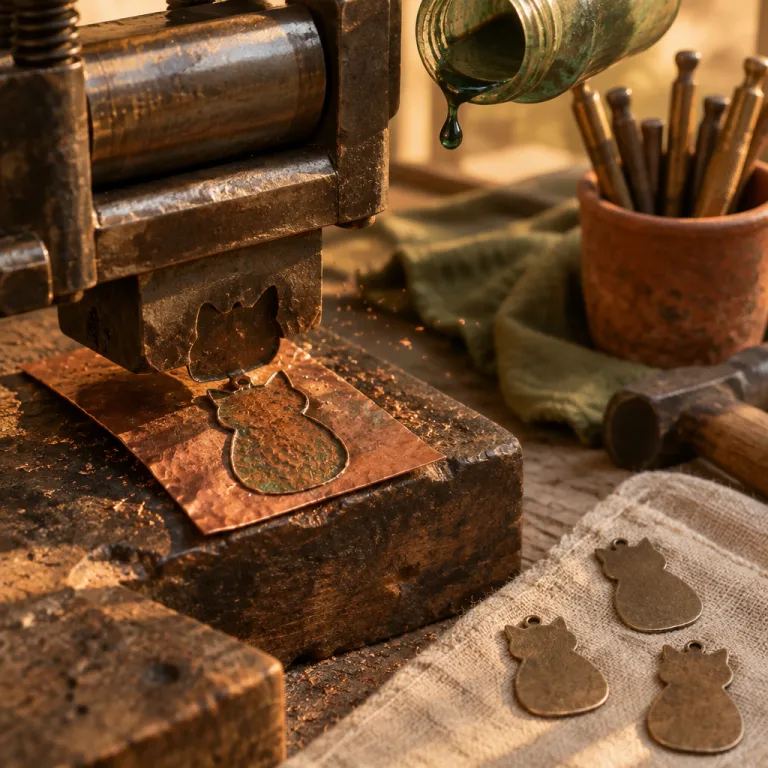
Handmade cat jewelry value starts with what “handmade” really means
Handmade cat jewelry value begins with understanding how much of your cat jewelry is truly shaped by human hands. A mass factory may assemble a silver cat necklace from pre cast components, while an artisan slowly saws, files, and solders each cat shaped element into a coherent design. When you compare a cheap cat necklace with a carefully handmade cat pendant, the difference in touch, time, and intention becomes impossible to ignore.
In the lower tier of the market, many cat necklaces labeled as handmade are actually hand assembled, not hand fabricated. The maker buys bulk sterling charms, chains, and a generic silver pendant, then clips them together into cat themed necklaces that look similar to thousands of others. True handmade work means the artisan cuts the metal, forms the cat heart silhouette, sets the birthstone, and finishes the necklace sterling chain from raw sterling silver or silver gold alloys.
For a refined cat owner, this spectrum matters because it shapes both aesthetics and durability. A fully hand fabricated cat jewelry piece often uses thicker sterling or gold sheet, which gives the cat pendant more strength and a satisfying weight in the hand. That extra metal and labor raise the price, yet they also raise the long term handmade cat jewelry value you actually experience every time you fasten the silver necklace around your neck.
Material choices are another quiet signal of authenticity in cat jewelry. When an artisan selects sterling silver for a silver cat moon pendant, they are choosing a noble metal that can be repaired, polished, and worn daily without flaking. By contrast, many mass produced cat moon necklaces rely on ultra thin gold plated layers over base metal, which keeps the initial price low but erodes the emotional and financial value as the plating wears away.
Look closely at the details of a modern cat necklace and you will see the hand of the maker in the curves. The arc of a cat heart tail, the precise length of a necklace cat chain, or the way a black cat silhouette balances under a moon shaped halo all reveal whether someone adjusted them by eye or accepted a generic mold. Handmade cat jewelry value lives in these micro decisions, which turn a simple animal motif into a subtle portrait of your own cats.
Even small components such as clasps and earring hooks tell a story about intent. An artisan who forges their own cat earrings hooks from sterling silver wire is prioritizing comfort, hypoallergenic safety, and long term strength. When you hold such earrings beside mass produced cat earrings with thin, sharp hooks, the premium price starts to feel less like a luxury and more like a rational investment in daily wear.
The hidden costs of cheap cat jewelry that only appear after a month
Mass produced cat jewelry often looks charming on the screen, yet its true cost emerges only after weeks of wear. Lightweight silver plated chains kink, a gold plated cat pendant turns patchy, and the once bright black cat enamel chips at the edges. What seemed like a bargain price for a cute cat necklace quickly becomes a drawer orphan, undermining any sense of handmade cat jewelry value.
Thin metals are one of the main culprits behind this rapid decline in cat jewelry quality. To keep the price low, factories use minimal silver or base metal, which bends easily when a cat themed necklace catches on a sweater or when a cat earrings post is knocked against a doorframe. Over time, these bends weaken solder joints around the pendant, especially in delicate cat heart or cat moon motifs, and you are left with a broken chain or a lost charm.
Plating is another fragile point in many silver gold or rose gold toned cat necklaces. A budget friendly gold plated cat necklace may have a microscopic layer of gold over brass, which begins to fade within weeks as it rubs against skin and clothing. Once that layer thins, the underlying metal can discolor your skin, and the cat pendant loses the warm glow that first attracted you, erasing much of the handmade cat jewelry value you hoped to enjoy.
Surface detail also suffers when production is rushed and casting molds are used far beyond their ideal lifespan. The whiskers on a silver cat pendant soften, the eyes on a cat shaped moon charm blur, and the once crisp outline of a necklace cat silhouette becomes vague. This erosion of detail is subtle at first, yet over months it turns a once charming cat necklace into something that feels generic and tired.
Finishing shortcuts compound these problems in both necklaces and earrings. Instead of careful hand polishing, many factories rely on tumble polishing, which smooths everything at once but cannot refine the inner curves of a cat heart or the edges of a silver pendant. The result is a slightly rough feel against the skin, especially on the back of a necklace sterling chain or the post of cat earrings, which can irritate sensitive ears.
For a deeper look at how these compromises play out in real life, a detailed breakdown of the real cost of cheap cat jewelry after the first month shows how quickly fading plating, broken clasps, and lost pendants add up financially and emotionally. When you tally the replacements of multiple low quality silver necklace pieces, the total price often exceeds what a single well made sterling silver cat necklace would have cost. That is where handmade cat jewelry value becomes not just an aesthetic preference but a clear economic argument.
What you actually buy when you pay three times more
Paying three times more for artisan made cat jewelry is not about status, it is about substance. You are buying thicker sterling silver, more resilient gold alloys, and carefully calibrated necklace length that sits exactly where you want your cat pendant to rest. You are also paying for an experienced eye that understands how a cat heart curve flatters the collarbone and how a black cat silhouette can feel elegant rather than cartoonish.
Material integrity is the first pillar of handmade cat jewelry value in this higher tier. An artisan working in sterling silver or solid gold can design a silver cat moon pendant with enough metal to resist daily knocks without deforming. When they choose rose gold accents or a silver gold combination for a cat necklace, they are thinking about how those metals age, how easily they can be polished, and how they will look beside your other necklaces over many seasons.
Finishing time is the second, often invisible, pillar that justifies the higher price. Instead of dropping dozens of cat earrings and necklaces into a tumbler, an artisan will hand polish each cat pendant, refining the inner curves of the animal form and softening any edges that touch the skin. This meticulous work means your necklace cat chain glides smoothly, your cat earrings posts feel comfortable, and the reflective surfaces of the silver pendant or gold plated details catch light in a more nuanced way.
Design originality is the third pillar that elevates handmade cat jewelry value beyond simple materials. An independent maker might sketch a series of cat shaped silhouettes inspired by their own cats, then translate those drawings into a modern cat necklace with a minimal line and a tiny birthstone at the heart. That same maker could offer a custom cat option, turning your cat’s profile into a cat pendant or cat earrings set that no one else owns, which is a level of personalization mass production cannot match.
Structural durability completes the case for the premium price in artisan cat jewelry. A well designed necklace sterling chain will have soldered links, a secure clasp, and a balanced weight distribution so the cat moon or cat heart pendant does not flip while you move. In earrings, thicker sterling silver posts and carefully aligned backs ensure that even slightly heavier black cat or animal themed designs remain comfortable for long wear.
When you shop online, signals of this quality are visible if you know where to look, and a practical guide on how to spot quality when shopping for cat jewelry online explains how to read product descriptions, examine close up photos, and interpret terms like sterling, gold plated, or custom cat. Makers who are proud of their process will describe whether a silver necklace is hand fabricated, how the birthstone is set, and whether the cat sterling components are cast in small batches. That transparency is itself a core part of handmade cat jewelry value, because it lets you make informed, confident choices.
How to read materials, maker marks, and long term value
Once you start paying attention, the back of a cat pendant can tell you almost as much as the front. Genuine sterling silver pieces are usually stamped with “925” or “sterling”, sometimes alongside a tiny maker’s mark that identifies the studio. When you see this combination on a silver cat necklace or a pair of cat earrings, you are looking at a piece designed to be worn, cleaned, and cherished for many years.
Materials transparency is a non negotiable element of handmade cat jewelry value for serious artisans. A responsible maker will state clearly whether a cat necklace is solid sterling silver, gold plated over sterling, or a mixed silver gold design, and they will specify the thickness of the plating when it is used. If a listing simply says “silver tone” or “gold color” for a cat themed necklace, you can safely assume the underlying metal is inexpensive and the lifespan of the finish will be short.
Birthstone and custom options offer another window into the seriousness of the craft. When an artisan offers a custom cat heart necklace with your cat’s initial and a chosen birthstone, they must design the pendant to accommodate different stones without compromising strength. That often means slightly more metal around the setting, a carefully judged necklace length to keep the weight centered, and a willingness to adjust the design for both singular and plural custom cat orders.
Independent fine jewelry brands highlighted at events such as NY Now, including Hine Fine Jewelry, TACIT Fine Jewelry, and Jewels by Sanjam, show how strong the appetite has become for thoughtful, animal inspired pieces. Their work demonstrates that a silver pendant shaped like a cat moon or a minimalist black cat silhouette can sit comfortably beside non themed modern necklaces in a refined wardrobe. This blending of cat jewelry with broader design trends is central to handmade cat jewelry value for urban cat owners who want elegance first and theme second.
Long term value also depends on how easily a piece can be maintained and repaired over time. A sterling silver cat necklace can be polished at home, re plated if it is gold plated over sterling, or even resized by a local jeweler if the necklace length needs adjustment. By contrast, a base metal necklace cat design with thin plating often cannot be repaired economically, which means every break or color change sends another piece of cat jewelry to landfill.
If you are weighing different metals for your next cat necklace or cat earrings purchase, a detailed durability breakdown of gold plated versus gold filled versus solid gold cat jewelry clarifies how each option behaves over years of wear. When you combine that knowledge with a careful reading of maker marks, material descriptions, and the overall feel of the silver necklace or cat pendant in your hand, the higher price of artisan made pieces starts to look like a measured, rational choice. In the end, handmade cat jewelry value is not about paying more for a trend, it is about paying once for a silver cat or gold accented animal motif that will still feel like you, and like your cats, many seasons from now.
Key figures that frame handmade cat jewelry value
- According to data from the National Jeweler coverage of NY Now, the trade show’s fine jewelry section has expanded its roster of independent brands in recent editions, reflecting a measurable shift in retailer buying toward artisan work rather than mass produced lines.
- Industry surveys from the Jewelers of America have reported that pieces made in sterling silver consistently rank among the top selling categories in independent jewelry stores, underscoring how consumers balance price and longevity when choosing everyday necklaces and earrings.
- Consumer research from the Responsible Jewellery Council has indicated that shoppers are increasingly willing to pay a premium for transparent sourcing and clear material labeling, which directly supports the higher price points of artisan made cat jewelry that discloses metal content and production methods.
- Market analyses from organizations such as McKinsey & Company have shown that fine jewelry buyers often purchase fewer pieces overall but allocate more budget per item, a pattern that aligns with choosing one durable cat necklace instead of several disposable fashion versions.