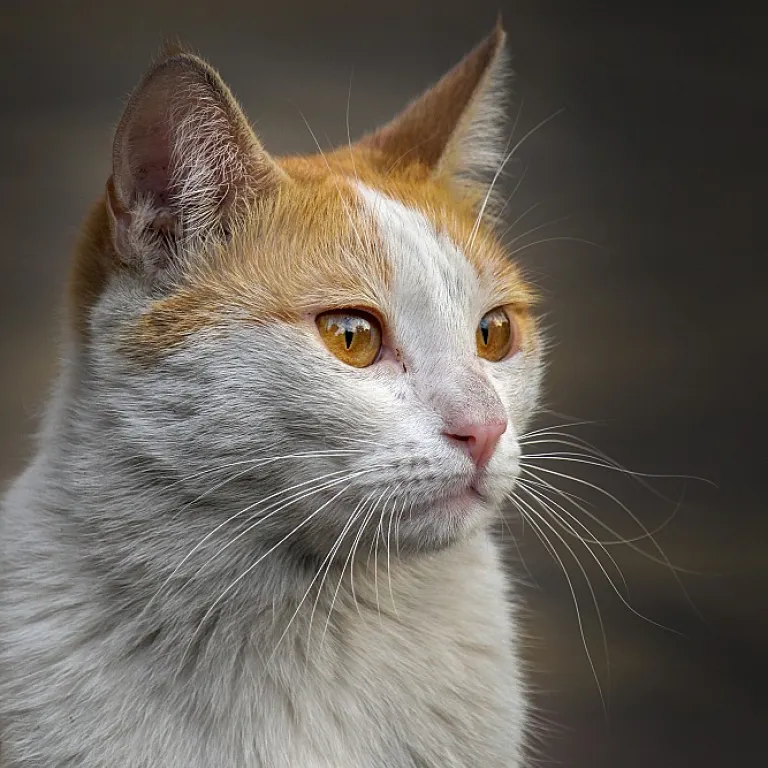
Why azurite jewelry belongs in a modern cat’s wardrobe
Azurite jewelry brings a refined blue depth that flatters nearly every cat coat. When a collar tag or charm uses natural azurite as the central gemstone, the royal blue tones create a striking contrast against both light and dark fur. A carefully chosen azurite gem can turn an everyday collar into a fine jewelry statement that still feels comfortable for your cat.
For feline pieces, the weight of each stone matters more than in human jewelry. Cat necks are small and sensitive, so jewelers often select thin cabochons or petite crystals instead of bulky cabochons large that would pull on the collar. Responsible workshops test each jewelry stone and supporting copper or silver material to keep the total weight under about 3–5 grams for adult cats and closer to 1–2 grams for kittens, which helps your cat move, groom, and jump freely.
Owners often compare azurite malachite with other blue green stones such as lapis lazuli or even tiger eye when choosing gemstone jewelry for pets. Azurite malachite and malachite azurite both combine blue azurite with green malachite, giving a swirling blue green pattern that reads beautifully on camera and in natural light. When you evaluate the price of these items, remember that cutting small but visually balanced stones for cats requires more precision than for larger human pendants, especially when the jeweler must match color zoning across several tiny charms.
From rough stone to cabochons on a cat collar
Transforming rough natural azurite into safe cat jewelry starts with strict material selection. Lapidaries choose natural azurite pieces with stable structure, then trim them into small cabochons that sit smoothly against a cat’s fur. The goal is to create rounded gemstones azurite that will not snag whiskers, scratch skin, or catch on fabric.
Many artisans pair blue azurite with green malachite material to form elegant azurite malachite cabochons for feline charms. These composite stones highlight the royal blue zones of azurite against bands of green malachite, echoing the refined palettes seen in pink tourmaline cat pieces such as refined pink tourmaline jewelry for cats and devoted owners. When you compare these jewelry items, you will notice that azurite based designs often require thicker bezels or copper frames to protect the relatively soft stone from knocks during play.
Some workshops in the United States experiment with lab created versions of this gemstone to achieve consistent color for matching sets. A lab created azurite cabochon can be cut thinner than a natural stone, which helps keep the collar light while still offering a vivid blue green surface. Whether you choose natural stones or lab created options, always run a finger along the edge of each gem to confirm that the finish feels perfectly smooth for your cat, and avoid any sharp corners that could irritate the neck.
Balancing azurite, malachite, and other gemstones for feline safety
Cat owners often ask how azurite compares with malachite natural when used close to the skin. Both stones are copper carbonates, with azurite typically described as Cu3(CO3)2(OH)2 and malachite as Cu2CO3(OH)2, which means the malachite copper and azurite copper content requires careful sealing in pet jewelry. Reputable makers encase each jewelry stone in metal with closed backs or apply durable coatings so that the stone surface does not shed particles during daily wear.
When you see malachite azurite or azurite malachite listed in a product description, look for details about the setting style and any protective layers. A well designed gemstone jewelry collar will keep the natural azurite and green malachite firmly locked into a bezel, similar to the way aquamarine charms are secured in high end pieces such as aquamarine birthstone jewelry for cats. This approach allows your cat to enjoy the beauty of blue green stones while you remain confident about long term safety.
Some owners prefer to join different stones in a single design, pairing blue azurite with lapis lazuli or tiger eye accents for visual depth. In these mixed gemstone items, the jeweler must balance hardness, weight, and price so that no single gem dominates the piece. For everyday wear, prioritize small, low profile cabochons over large crystals, because a cat is more likely to tolerate a fine, subtle charm than a heavy pendant.
Evaluating price, quality, and craftsmanship in cat azurite pieces
Assessing the price of azurite jewelry for cats requires more nuance than simply checking the carat weight. You are paying for careful stone selection, precise cutting of small cabochons, and metalwork that keeps every edge smooth against delicate fur. A modest gem size with excellent finishing often serves your cat better than a larger but roughly polished stone.
When comparing items, examine how the jeweler handles the interface between the gemstone and the collar hardware. Fine craftsmanship shows in the way copper or silver frames cradle the stones, leaving no gaps where claws could catch or dirt could accumulate. High quality pieces often use soldered closed rings rather than open hooks, because cats can easily pry open weak connections during play.
Ethical workshops in the United States and abroad also disclose whether they use natural azurite, lab created alternatives, or blended gemstones azurite with malachite material. Natural stones tend to command a higher price, especially when the royal blue zones are intense and evenly distributed. Lab created options can be more affordable and visually consistent, which appeals to owners who want matching sets of jewelry for multiple cats without compromising on safety.
Design strategies that keep cats comfortable and stress free
Comfort should guide every design decision when you choose azurite jewelry for a cat. Lightweight settings, rounded cabochons, and flexible collar materials help your pet forget that a gemstone is even present. If your cat seems irritated by new jewelry items, start with a very small charm and gradually increase wear time.
Designers who specialize in feline pieces often join behavioral insight with gemological expertise. They know that cats groom frequently, so any jewelry stone must sit flush with the collar to avoid catching on the tongue or teeth. For this reason, many artisans favor low dome cabochons over pointed crystals, and they avoid dangling stones that could swing into a cat’s face during play.
Owners who already own several gemstone collars sometimes look for more unusual blue green combinations or royal blue accents to refresh their collection. A thoughtful guide on gifting refined cat jewelry can help you evaluate whether another azurite malachite piece will truly add variety. When in doubt, prioritize your cat’s comfort and movement over visual drama, because a relaxed, confident animal always makes any gem look more beautiful.
How to care for azurite and malachite jewelry worn by cats
Azurite and malachite are relatively soft stones, so they need gentle care when mounted on a cat collar. On the Mohs hardness scale, azurite usually falls around 3.5–4 and malachite about 3.5–4, which is significantly softer than quartz at 7, so wipe each gem with a soft, slightly damp cloth, then dry it carefully to protect both the stone and any copper or silver components. Avoid harsh cleaners, because strong chemicals can damage the surface of natural azurite and green malachite alike.
Because these stones contain copper, they should never soak in water or be exposed to acidic solutions. If your cat wears azurite jewelry daily, remove the collar during baths or flea treatments to keep both the gemstone and the metal setting stable. Periodically check that all cabochons, crystals, and small accent stones remain firmly seated, especially after energetic play sessions.
Owners who rotate several gemstone jewelry collars can extend the life of each piece and keep the overall price of their collection under control. Storing jewelry items in a dry, padded box prevents scratches between stones, particularly when azurite malachite pieces share space with harder gems such as tiger eye or lapis lazuli. With this routine, your cat’s royal blue and blue green accents will stay vivid and elegant for many seasons of safe wear.
Key figures and trends in gemstone jewelry for cats
- Surveys of pet product retailers in the United States have reported that gemstone themed pet accessories represent a small but steadily growing niche within the wider pet jewelry market, reflecting rising interest in premium materials for animals.
- Industry analyses of fashion jewelry indicate that blue and blue green color palettes, including stones such as azurite, malachite, and lapis lazuli, consistently rank among the most requested hues for both human and pet accessories, driven by their association with calm and sophistication.
- Consumer research from major pet supply chains shows that owners are willing to pay a higher price for collars and tags that use natural materials and fine metalwork, provided that the designs remain lightweight and safe for everyday wear.
- Reports from gemological laboratories highlight that demand for lab created stones has increased across jewelry categories, as buyers seek visually consistent gems that reduce mining impact while keeping costs accessible for multi pet households.
FAQ about azurite jewelry for cats
Is azurite jewelry safe for my cat to wear every day ?
Azurite jewelry can be safe for daily wear when the stone is fully enclosed in a smooth metal setting and the collar fits correctly. Choose designs with low profile cabochons and avoid any exposed rough stone edges. Remove the collar during baths or medical treatments to protect both your cat and the gemstone.
How should I clean azurite and malachite stones on a cat collar ?
Use a soft, slightly damp cloth to wipe the stones, then dry them gently with a clean towel. Do not soak azurite or malachite in water and avoid chemical cleaners, because both stones are sensitive to moisture and acids. Regular light cleaning preserves the royal blue and green tones without stressing the material.
What is the difference between natural azurite and lab created azurite in pet jewelry ?
Natural azurite forms in copper rich environments and often shows varied blue patterns, while lab created azurite is engineered for consistent color and structure. Lab created stones can be cut thinner and more uniformly, which helps keep cat collars light. Natural stones usually command a higher price, especially when the color is intense and evenly distributed.
Can I mix azurite with other gemstones on the same cat collar ?
Many designers successfully combine azurite with malachite, lapis lazuli, or tiger eye to create visually rich pieces. The key is to keep each gemstone small and securely set so the total weight stays comfortable for your cat. Mixed gemstone jewelry should always prioritize smooth surfaces and balanced design over the number of stones used.
How do I choose the right size of azurite stone for a kitten ?
For kittens, select very small, lightweight cabochons and avoid any cabochons large that could feel heavy on a developing neck. The charm should sit flat against the collar and not extend beyond the width of the kitten’s chest. As your cat grows, you can gradually move to slightly larger stones while monitoring comfort and movement.