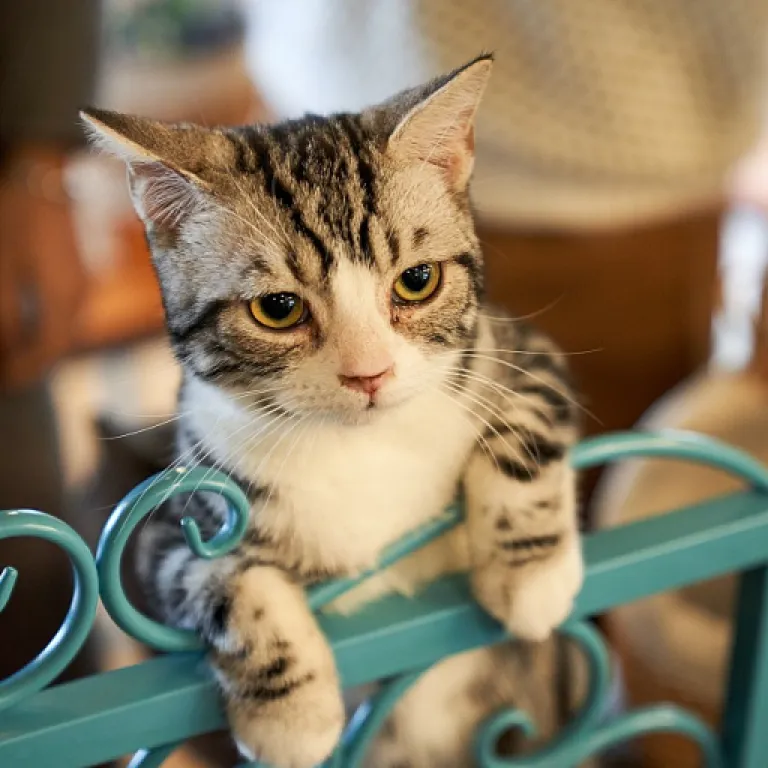
Why aquamarine birthstone jewelry suits refined cat personalities
Aquamarine birthstone jewelry brings a calm blue green glow that flatters many feline coat colors. When you choose an aquamarine birthstone for a cat collar pendant or tiny ring style charm, you echo the serene confidence that many indoor cats display while observing their territory. This subtle blue aquamarine tone feels elegant on both sleek black cats and long haired white cats.
Owners often associate the march birthstone aquamarine with clarity and gentle protection, which aligns well with the nurturing bond between human and animal. A carefully set aquamarine gemstone in a lightweight sterling silver pendant or miniature gold tag can symbolize your cat’s place in the family without adding uncomfortable weight; for most cats, a charm under 2–3 grams and less than 10–12 mm across stays comfortable. Because this birthstone jewelry tradition usually focuses on human wearers, adapting aquamarine jewelry to cats requires extra attention to safety, fit, and the regular price versus long term durability.
Many guardians like to match their own aquamarine ring or birthstone necklace with a coordinated aquamarine bracelet style charm on the cat’s collar. This mirrored aquamarine jewelry look works especially well when both pieces use the same blue stone cut and similar white gold or sterling silver finishes. The result is a quiet visual link between owner and animal that feels more meaningful than a simple sale price tag or trend driven diamond ring design, and product photos or social posts benefit from descriptive image alt text such as “black cat wearing aquamarine birthstone collar next to matching aquamarine ring.”
Choosing safe gemstones and metals for feline aquamarine pieces
Safety comes first when adapting aquamarine birthstone jewelry to a moving, scratching, climbing cat. Any aquamarine gemstone or aquamarine birthstone charm must sit low, with rounded edges and a secure bezel rather than sharp prongs that could catch on fabric or scratch skin. A smooth silver aquamarine cabochon or a tiny aquamarine diamond accent can look luxurious while remaining practical for daily wear, especially when attached to a lightweight breakaway collar designed to release under steady pressure.
For metals, hypoallergenic sterling silver and high quality white gold are usually better choices than unknown alloys with unclear nickel content. Veterinary dermatology references, such as reports summarized by the American College of Veterinary Dermatology (ACVD, 2020 overview on contact allergens in companion animals), note nickel among the more frequent contact allergens in pets, which supports choosing clearly labeled metals. A sterling silver birthstone necklace for the owner can be paired with a white gold or sterling collar pendant for the cat, balancing price, comfort, and resistance to tarnish from fur oils and grooming habits.
Gem hardness also matters because cats knock stones against floors, furniture, and metal bowls. According to gemology resources from the Gemological Institute of America (GIA, “Aquamarine Care and Cleaning” and Mohs hardness tables), aquamarine ranks about 7.5–8 on the Mohs hardness scale, which helps it resist regular bumps better than softer blue green gems, especially when set flush into the metal. For owners who enjoy crystal symbolism, combining a personal birthstone aquamarine ring with complementary healing stones in their own accessories can be explored through general crystal guides, while still keeping the cat’s piece simple and secure.
Designing aquamarine cat collars, charms, and matching owner pieces
Design decisions for aquamarine birthstone jewelry must respect how cats move, stretch, and groom. A heavy gemstone pendant or dangling hoop earrings style charm on a collar can annoy a sensitive cat, so jewelers often favor tiny aquamarine stud inspired plaques that sit flat. These aquamarine stud like plates can echo human stud earrings without the risk of snagging on bedding or scratching posts, and they work especially well on adjustable breakaway collars sized to fit one to two fingers between strap and neck.
Some owners commission a coordinated set that includes a delicate aquamarine ring for themselves, a slim birthstone necklace, and a matching aquamarine bracelet while the cat receives a miniature silver aquamarine charm. This approach lets the human enjoy more elaborate aquamarine diamond or diamond ring designs, while the feline piece remains minimal, with a single blue stone or blue green cabochon. When planning such sets, it helps to think in terms of a regular price budget for the whole ensemble rather than chasing the lowest sale price on individual items that may not match in tone or metal.
Color harmony plays a central role in these designs, especially when pairing aquamarine jewelry with smoky or earthy stones. Owners who already wear pieces featuring subtle brown quartz can explore how the cool blue of aquamarine contrasts with the warm depth described in analyses of the allure of smoky quartz in cat jewelry. By balancing one blue green march birthstone accent on the cat’s collar with richer tones in the owner’s necklace or bracelet, the overall look feels curated rather than overly matched and supports long tail search phrases such as “aquamarine and smoky quartz cat jewelry set.”
Understanding pricing, value, and ethical sourcing for cat focused pieces
When evaluating the price of aquamarine birthstone jewelry for cats, owners should separate emotional value from material cost. A tiny aquamarine gemstone set in sterling silver may carry a modest regular price, yet its meaning as a shared march birthstone symbol can feel priceless. Still, comparing the price regular on similar aquamarine ring or pendant designs helps ensure you pay fairly for both craftsmanship and stone quality, especially when browsing online listings that highlight specific carat weights and metal purity.
Ethical sourcing matters because even a small aquamarine birthstone or aquamarine diamond accent originates from complex mining chains. Reputable jewelers disclose where their aquamarine stone supply comes from, how cutters handle the gemstone, and whether any diamond used alongside the blue aquamarine meets responsible sourcing standards; organizations such as the Responsible Jewellery Council publish general guidelines owners can reference. Asking about these details, rather than focusing only on a temporary sale price, supports better practices and aligns your cat jewelry choices with your broader values.
Owners should also consider long term costs such as cleaning, occasional repairs, and potential resizing of their own ring or bracelet if weight changes occur. A well made sterling silver aquamarine bracelet or white gold birthstone necklace may have a higher initial price than a plated alternative, yet the lower maintenance and reduced need for replacement often offset the difference over time. For the cat’s piece, choosing a simple silver aquamarine charm with a secure setting usually offers the best balance between affordability, safety, and durability under regular feline activity.
Comparing settings, cuts, and styles for feline friendly aquamarine
Settings determine how well aquamarine birthstone jewelry withstands the daily life of a curious cat. Bezel settings that wrap metal around the aquamarine gemstone protect the edges of the stone better than tall prongs, which can bend when a cat squeezes under furniture. Low dome cabochon cuts in blue or blue green tones also slide more easily against fur and fabric than sharp faceted points, and they reduce the chance of the stone chipping if it hits a hard surface.
For owners, the style palette can be broader, ranging from classic aquamarine ring designs with diamond ring halos to minimalist stud earrings that echo the cat’s collar charm. Matching aquamarine stud earrings for the human with a flat aquamarine stud style tag for the cat creates a subtle link without overwhelming either piece. Some people prefer hoop earrings or layered bracelets, yet they still keep the feline accessory to a single, well protected birthstone aquamarine accent in sterling silver or white gold.
Necklace choices also influence comfort and aesthetics, especially when coordinating human and feline looks. A delicate birthstone necklace with a small aquamarine pendant can mirror the cat’s collar charm while allowing the owner to add extra diamonds or complementary gemstones. By keeping the cat’s aquamarine bracelet style charm or pendant simple and the human jewelry more elaborate, you maintain a refined visual relationship without compromising the animal’s freedom of movement.
Care, maintenance, and when to retire a cat’s aquamarine piece
Regular inspection is essential for any aquamarine birthstone jewelry worn by a cat, because even sturdy settings loosen under constant motion. Owners should check the aquamarine gemstone weekly for chips, cracks, or movement inside the bezel, especially if the cat frequently jumps from high shelves. If the stone rattles or the metal looks bent, remove the collar immediately and schedule a professional repair before reattaching the piece, and consider a temporary plain ID tag while the charm is serviced.
Cleaning routines must respect both the gemstone and the animal’s health, so harsh chemicals are not appropriate. A soft cloth slightly dampened with lukewarm water usually suffices for sterling silver or white gold, while a mild, pet safe soap can help remove accumulated oils from the aquamarine stone itself. Avoid ultrasonic cleaners for feline pieces, because vibrations may weaken small solder joints that already endure regular strain from scratching and play, and always let the collar dry fully before putting it back on.
There comes a point when retiring a cat’s aquamarine birthstone charm is the most responsible choice, especially for senior animals or those with skin sensitivities. In such cases, owners often transfer the aquamarine birthstone or aquamarine diamond accent into a new ring, bracelet, or birthstone necklace for themselves, preserving the emotional link without burdening the cat. This transition honors the shared history of the jewelry while recognizing that comfort and safety always outweigh the appeal of a matching set or any potential sale price advantage.
Key figures on gemstone hardness, metal safety, and pet jewelry trends
- On the Mohs hardness scale, aquamarine ranks between 7.5 and 8, according to gemological references such as GIA course materials and the GIA “Gemstone Hardness” chart, which makes the gemstone harder than many everyday materials and helps aquamarine birthstone jewelry resist abrasion better than softer blue green alternatives such as fluorite.
- Veterinary dermatology studies, including surveys published in journals like Veterinary Dermatology and summarized by ACVD position papers on contact allergy, report that nickel is among the more frequent metal allergens in pets, which supports the preference for hypoallergenic metals such as sterling silver and higher karat white gold in both human and cat jewelry settings.
- Industry surveys from major pet product associations, such as the American Pet Products Association (APPA 2023–2024 National Pet Owners Survey), show that spending on pet accessories, including decorative collars and charms, has grown steadily over the past decade, reflecting a broader trend toward premium materials like genuine gemstone and birthstone jewelry for companion animals.
- Consumer research in the jewelry sector indicates that pieces featuring a personal birthstone, such as the march birthstone aquamarine, often command a higher perceived value than non personalized designs, even when the regular price difference is relatively small.
- Market analyses of online jewelry retailers reveal that items labeled as sterling silver or solid gold with clear gemstone descriptions tend to receive higher customer satisfaction ratings than pieces with vague metal or stone information, underscoring the importance of transparent labeling for both human and pet focused aquamarine jewelry.
FAQ: aquamarine birthstone jewelry for cats and their owners
Is aquamarine safe for cats to wear on a collar charm ?
Aquamarine is generally safe as a collar charm when it is securely bezel set, kept small, and attached to a breakaway collar that releases under pressure. The gemstone’s hardness helps it resist scratches, but owners must still check the setting regularly for damage. Any sign of a loose stone or bent metal means the piece should be removed until repaired, and very active kittens may be better with a plain collar until they settle.
Should I match my own aquamarine ring or necklace to my cat’s jewelry ?
Many owners enjoy matching their aquamarine ring, bracelet, or birthstone necklace with a coordinated aquamarine birthstone charm on the cat’s collar. This can create a meaningful visual connection, especially when both pieces share similar blue green tones and metal finishes. The key is to keep the feline design minimal and comfortable while allowing more elaborate styles for the human jewelry, which also supports long tail phrases like “matching aquamarine birthstone jewelry for cat and owner.”
How do I clean aquamarine jewelry that my cat wears daily ?
For a cat’s aquamarine pendant or charm, use a soft cloth and lukewarm water, avoiding harsh chemicals that could irritate the animal’s skin or mouth. A tiny amount of mild, pet safe soap can help remove oils from the gemstone and surrounding silver or white gold. Always rinse thoroughly, dry completely, and let the collar air out before placing it back on your cat.
What metal is best for sensitive cats wearing gemstone charms ?
Cats with sensitive skin usually tolerate hypoallergenic metals such as sterling silver or higher karat white gold better than base metal alloys that may contain nickel. When commissioning aquamarine birthstone jewelry for a collar, ask the jeweler to specify the exact metal composition and avoid plated pieces with unknown cores. If any redness or irritation appears under the collar, remove the jewelry immediately and consult a veterinarian.
When should I stop letting my cat wear aquamarine birthstone jewelry ?
Senior cats, very active kittens, or animals with medical issues may be safer without decorative gemstone charms, even if the aquamarine piece is well made. If your cat frequently gets the collar caught, shows discomfort, or develops skin problems, it is time to retire the jewelry and perhaps reset the aquamarine stone into a ring or bracelet for yourself. Prioritizing the cat’s comfort and safety should always outweigh the aesthetic appeal of a matching aquamarine set.
